“Teach a man to fish and he’ll eat for a lifetime…”
We’ve spent the first few days of our 2013 visit reacquainting ourselves with Kampot and the Chumkriel Language School (CLS) – which has been both delightful and easy. This is a place that quickly lodges itself in your heart – filled with people who do the same.
We are noticing more and more western influence around Kampot – and this is both a blessing and a curse. The city (around the same size as Dubbo) retains its rustic charm but the nod to the growing “barang” (westerner) tourist interest is noticeable. The streets are demonstrably cleaner and there are increasing numbers of Khmer owned businesses. But there are supermarkets and shopping “malls” springing up – and there are noticeably more international aid/NGO types getting around in their brand new black Lexus 4WDs.
We know we’re part of this westernisation so we can’t be too hypocritical – but it’s a fine balancing act, even for an organisation like Rotary. Where does help end and welfare/paternalism begin?
From its humble beginnings in 2008, CLS is now an NGO force to be reckoned with, and Thy Sothy (the irrepressible “Mr T”) has grown magnificently into his role as school director – to the point where he is now an experienced project co-ordinator, community developer and international diplomat!
The core business of CLS – the teaching of English language – remains the same. But there are now a number of arms to the organisation, including projects involving agriculture, health and dental service delivery and training, teacher training, community outreach and house building (for the poorest of families) throughout the wider Chumkriel district.
Mark Horton – Dubbo Rotarian and founder/project manager of the CLS Rotary Project from its inception – is now working with Mr T on a smaller project to establish water purification facilities throughout Chumkriel community. It’s an experiment at this stage, but the aim is to build a prototype solar still and a bio-sand water filter which can be replicated at minimal cost for each village. It is hoped that each filter will service about eight families in each village with clean drinking water. We think, at this stage, that these filters can be built for a cost of $US7 – less than $1 per family. 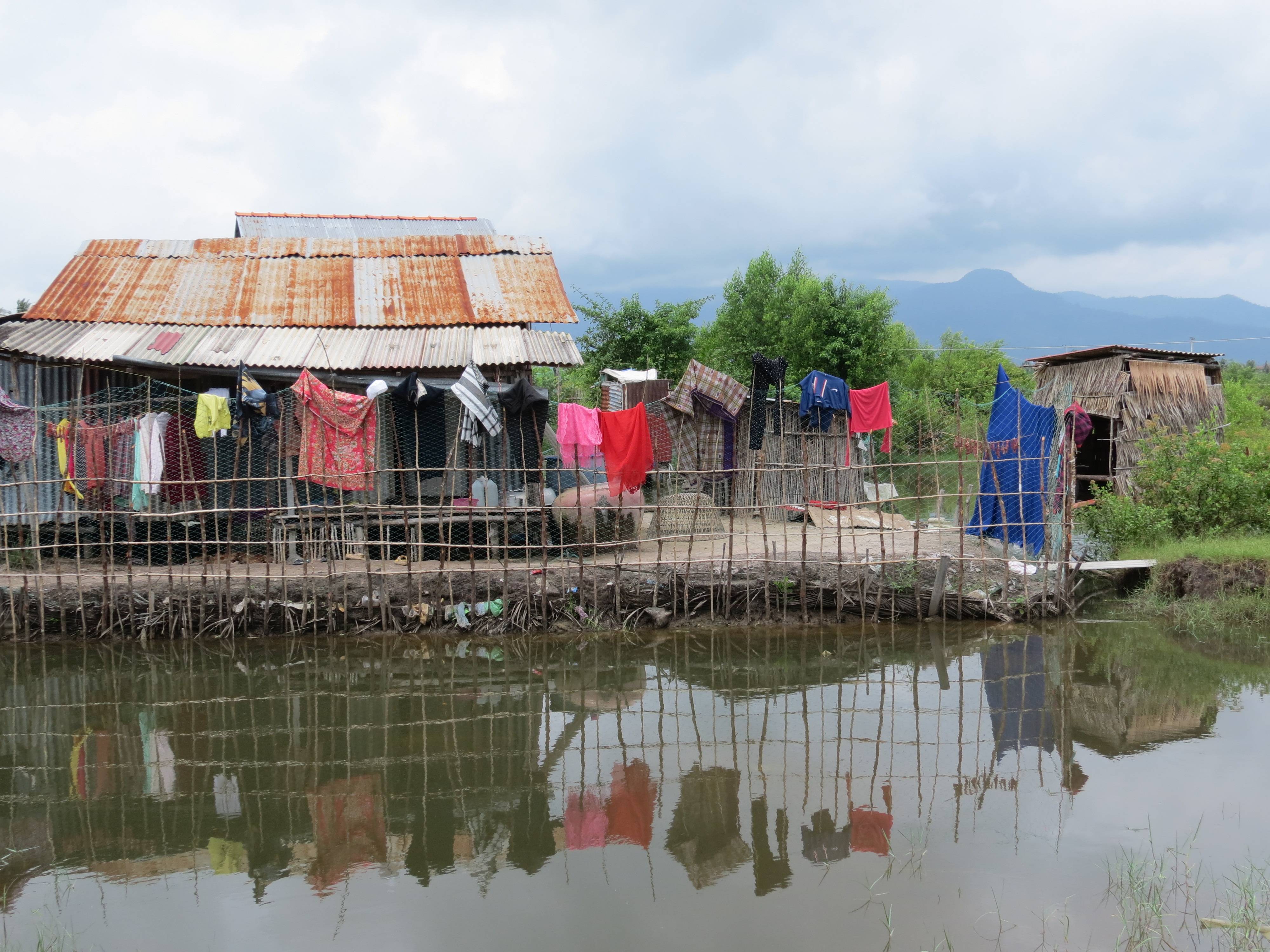
The issue of polluted water continues to plague the villagers in the regions around Chumkriel – and in turn impacts adversely not only on health and economic circumstance – and therefore, ultimately and as always, on access to education. So by helping the villages to help themselves by imparting knowledge about the value of clean water, it’s hoped this small project will lead to greater empowerment within these communities.
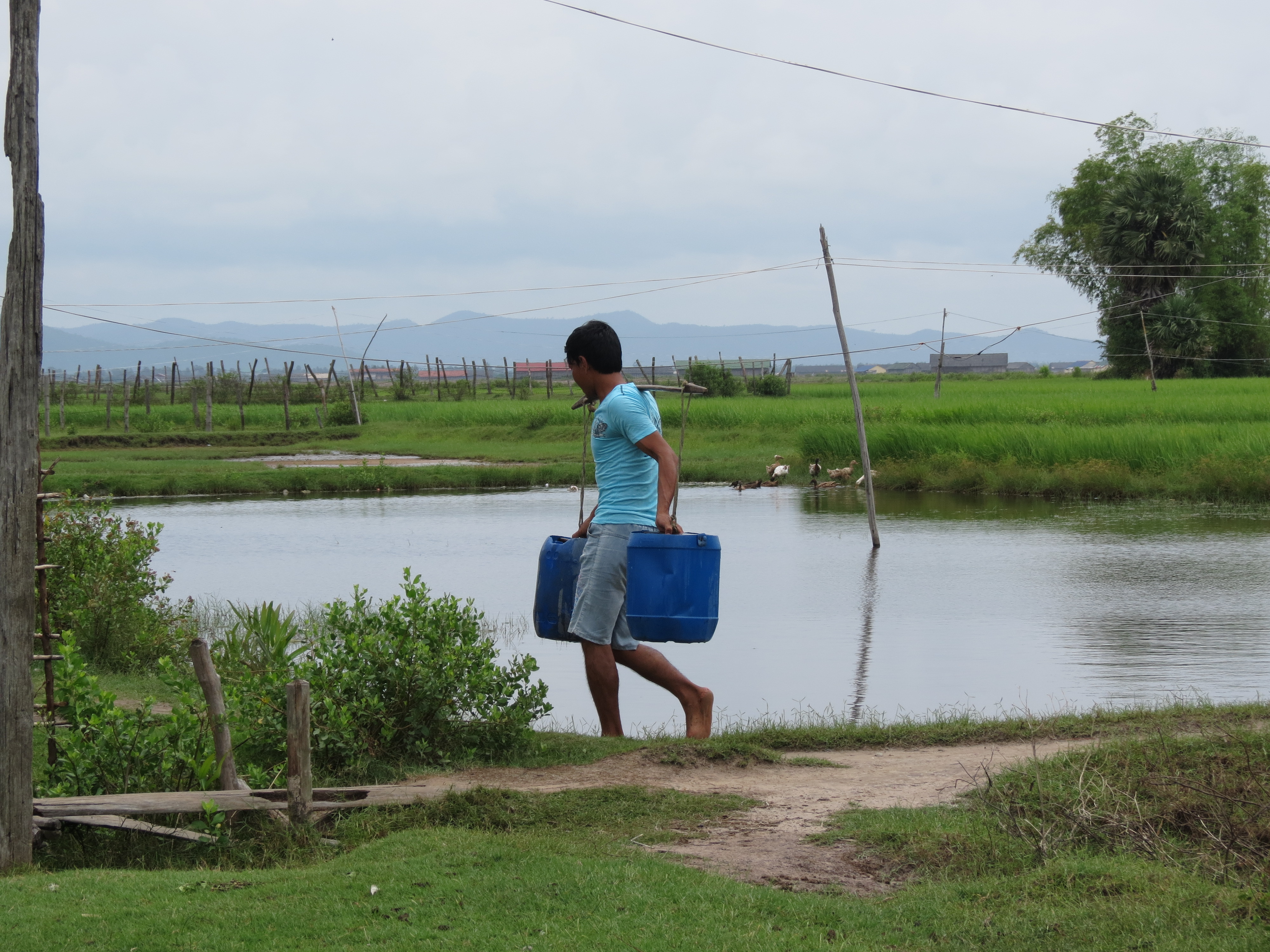
As with all of Mark’s (and CLS’s) projects, it’s important that the locals and the recipients have some level of “buy in” – so we plan to provide the instructions and the moulds and encourage/direct the families to work together to build their own filters.
Mark and Phoas Keo (our little pocket rocket CLS liaison/admin officer) went shopping on Tuesday for all the necessary bits and pieces to make the still and the mould – and we felt very much like locals balancing all our building materials, our backpacks and two big “barangs” on one small moto! (And no, you can’t see pics – my helmet is a pink Hello Kitty number and there will NEVER be photographic evidence!)
Fingers crossed that this experimental still/mould works! Or it’s back to the drawing board for Mr Mark and Mr T.
The unofficial mantra of all these projects is an oldie but a goodie: “Give a man a fish and he’ll eat for a day. Teach him to fish and he’ll eat for a lifetime.”
 Jen Cowley